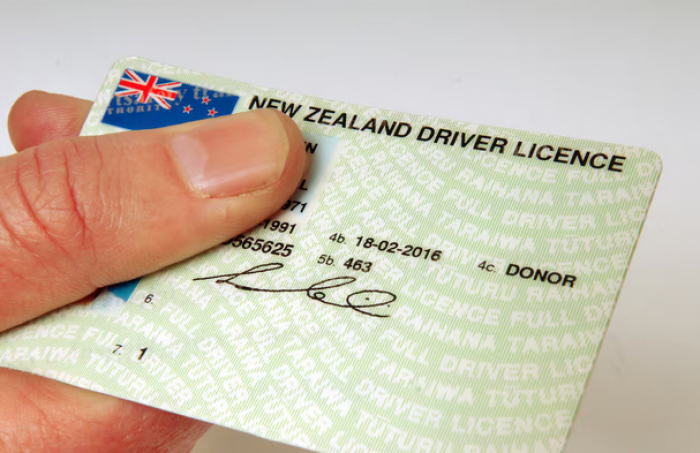
Major Changes to New Zealand Driving Licence Laws from 2027: What You Need to Know
Significant reforms to New Zealand’s Graduated Driver Licensing System have been announced, with the changes set to come into force on 25 January 2027. These reforms will affect learner, restricted, and full licence holders across the country, particularly drivers under the age of 25.
The changes are aimed at reducing cost barriers, improving road safety outcomes, and aligning New Zealand’s licensing system more closely with international practice.
No More Full Licence Practical Test
One of the most notable changes is the removal of the second practical driving test. Under the new system, drivers will no longer be required to sit a full licence practical test to progress from a restricted licence to a full licence.
Instead, progression will be based on demonstrated safe driving behaviour while on a restricted licence, including maintaining a clean demerit record. The Government has noted that New Zealand is currently an international outlier in requiring a second practical test at this stage.
Longer Learner Periods for Under-25s
For drivers under 25, the learner licence period will increase from six months to 12 months. This change is intended to ensure young drivers gain more supervised experience before progressing to independent driving.
However, there will be an option to reduce this 12-month learner period back to six months by either:
- recording a specified number of supervised driving hours, or
- completing an approved practical driving course.
This introduces greater flexibility while still emphasising experience and skill development.
Changes to Restricted Licence Periods
The restricted licence period will also change:
- Under 25s will be required to hold a restricted licence for 12 months.
- Over 25s will be required to hold a restricted licence for six months.
Importantly, there will no longer be any option to reduce the restricted period through a defensive driving course.
In addition, restricted drivers who incur demerit points will face an extra six months on their restricted licence, reinforcing the focus on safe and compliant driving.
Lower Overall Cost of Getting a Licence
The total cost of obtaining a Class 1 (car) licence will reduce by $80 under the new system. The Government has indicated this change is intended to remove financial barriers while still maintaining safety standards.
Zero-Alcohol Rule Expanded
All learner and restricted drivers will be subject to a zero-alcohol limit, regardless of age. Previously, drivers aged 20 and over on a learners or restricted licence were permitted a limited alcohol threshold.
This change creates a consistent, bright-line rule for all new drivers and reinforces the expectation of zero alcohol consumption while gaining driving experience.
Fewer Eyesight Screenings
Eyesight testing requirements will be simplified. Under the new rules, eyesight screenings will only be required:
- at the first licence application, and
- at each licence renewal.
Increased Oversight of Driver Training Providers
The NZ Transport Agency (NZTA) will be given stronger powers to monitor, audit, and suspend driver training course providers. This aims to ensure training quality and consistency across approved courses.
When Do These Changes Take Effect?
All of the above reforms will take effect from 25 January 2027. Until then, the current licensing rules remain in force.
Key Takeaways:
These reforms represent the most significant changes to New Zealand’s driver licensing system in over a decade. While the removal of the full licence test and reduced costs may make it easier to progress through the system, the longer learner and restricted periods (and stricter consequences for unsafe driving), place a stronger emphasis on experience and responsible behaviour.
For young drivers and families, now is a good time to start planning ahead and understanding how these changes may affect licensing timelines.
Real People. Real Solutions.